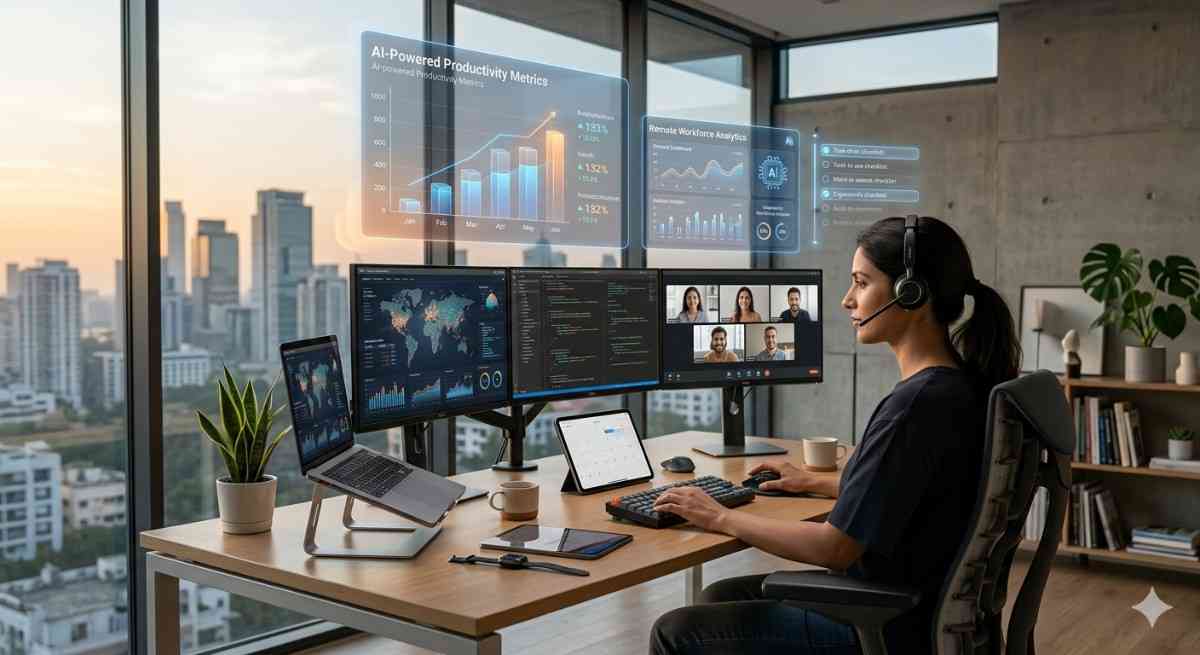
The way we work has changed dramatically in recent years. Remote work, once a niche option, has become a mainstream reality, enabling employees to collaborate from anywhere in the world. This shift is powered by a suite of modern technologies that make communication, productivity, and security seamless, transforming the traditional office model into a flexible, connected, and efficient digital ecosystem.
Communication Tools: Staying Connected
Remote work relies heavily on real-time communication tools that bridge physical distances:
- Video Conferencing: Platforms like Zoom, Microsoft Teams, and Google Meet allow face-to-face collaboration, meetings, and presentations.
- Instant Messaging: Tools such as Slack or Discord facilitate quick communication, file sharing, and team coordination.
- Email and Project Updates: Email remains essential for formal communication, while project management apps provide structured updates.
Collaboration Platforms: Working Together, Virtually
Team productivity depends on seamless collaboration:
- Document Sharing: Google Workspace, Microsoft 365, and cloud storage services allow multiple users to work on documents simultaneously.
- Project Management: Platforms like Asana, Trello, and Monday.com help track tasks, deadlines, and team responsibilities.
- Creative Collaboration: Tools like Figma, Miro, and Canva enable design and brainstorming sessions remotely.
Cloud Technology: The Backbone of Remote Work
- Data Accessibility: Employees can securely access files and applications from any device, anywhere.
- Software as a Service (SaaS): Subscription-based tools reduce IT infrastructure needs and offer scalable solutions.
- Real-Time Updates: Cloud systems ensure teams are always working with the latest data.
Security and Privacy Solutions
Remote work introduces cybersecurity challenges:
- VPNs and Encryption: Protect sensitive company data when accessed over public networks.
- Multi-Factor Authentication: Adds an extra layer of security to logins.
- Endpoint Security: Ensures devices used remotely comply with corporate security protocols.
Artificial Intelligence and Automation
AI and automation streamline remote work processes:
- Task Automation: Tools can schedule meetings, manage repetitive workflows, and organize emails.
- Analytics and Insights: AI provides data-driven recommendations for productivity and team performance.
- Smart Assistants: AI-powered assistants help manage schedules, reminders, and virtual collaboration.
Future Implications
- Hybrid Work Models: Employees can balance in-office and remote work seamlessly.
- Global Talent Pool: Companies can hire talent from around the world, breaking geographical barriers.
- Enhanced Work-Life Balance: Flexible schedules and remote tools improve employee satisfaction and retention.
Final Thoughts
The future of work is digital, decentralized, and technology-driven. Remote work isn’t just a trend—it’s a lasting transformation, powered by communication platforms, cloud computing, AI, and robust security solutions. By embracing these technologies, organizations can create a productive, flexible, and connected workforce capable of thriving in tomorrow’s global economy.