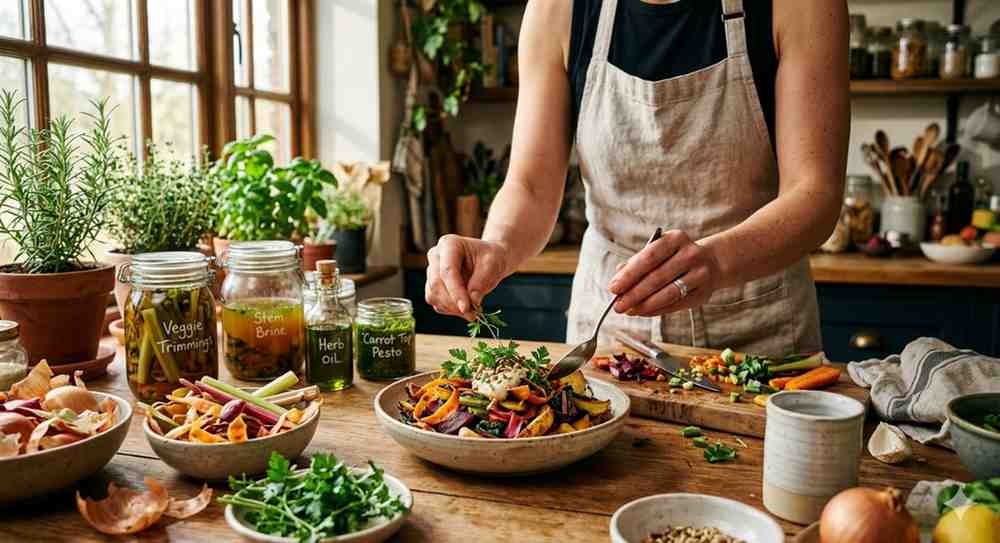
In today’s culinary world, sustainability has become as important as taste. One of the most creative ways chefs and home cooks embrace eco-friendly practices is by transforming kitchen scraps into delicious dishes. From vegetable peels to leftover bread, reinventing scraps not only reduces food waste but also unlocks unexpected flavors and textures that can elevate everyday meals.
Why Reinventing Scraps Matters
Globally, food waste is a significant environmental challenge. By finding ways to repurpose scraps, we can:
- Reduce Waste: Every peel, stem, or crust saved is one less item in landfills.
- Save Money: Using what would otherwise be discarded stretches your grocery budget.
- Discover Unique Flavors: Many “scraps” carry intense flavors that can enhance soups, stocks, sauces, and more.
- Promote Creativity: Cooking sustainably encourages experimentation and new culinary techniques.
Common Scraps and How to Use Them
Here are some simple ways to turn kitchen scraps into gourmet ingredients:
- Vegetable Peels and Stems: Carrot tops, potato skins, and broccoli stems can be roasted, blended into soups, or turned into pesto.
- Stale Bread: Transform old bread into croutons, breadcrumbs, or bread pudding.
- Fruit Scraps: Citrus peels, apple cores, and strawberry tops can be candied, infused in drinks, or used for jams and syrups.
- Bones and Meat Trimmings: Perfect for homemade broths and stocks that add rich depth to soups and sauces.
- Herb Stems: Parsley, cilantro, and basil stems can be brewed into teas, used in stocks, or finely chopped for flavoring.
Techniques for Sustainable Cooking
- Batch Prep and Freezing: Store peels, stems, and trimmings in the freezer to use later in stocks or sauces.
- Fermentation: Transform vegetable scraps into pickles or kimchi for added flavor and longevity.
- Composting Residue: Even when scraps aren’t edible, composting returns nutrients to the soil, closing the sustainability loop.
The Flavor Advantage
Reinventing scraps isn’t just eco-friendly—it enhances flavor. Vegetable stems often have concentrated taste, and peels can caramelize beautifully when roasted. Bread crusts can add crunch or richness, and citrus peels can brighten sauces and desserts. By approaching scraps as valuable ingredients rather than waste, the kitchen becomes a laboratory of sustainable creativity.
Final Thoughts
Sustainable cooking is a practice that combines responsibility with innovation. Reinventing scraps in the kitchen allows us to reduce waste, save resources, and discover new flavors—all while contributing to a healthier planet. The next time you peel, trim, or slice, consider the hidden potential in every leftover. With imagination and care, scraps can transform from forgotten fragments into culinary treasures that nourish both body and conscience.