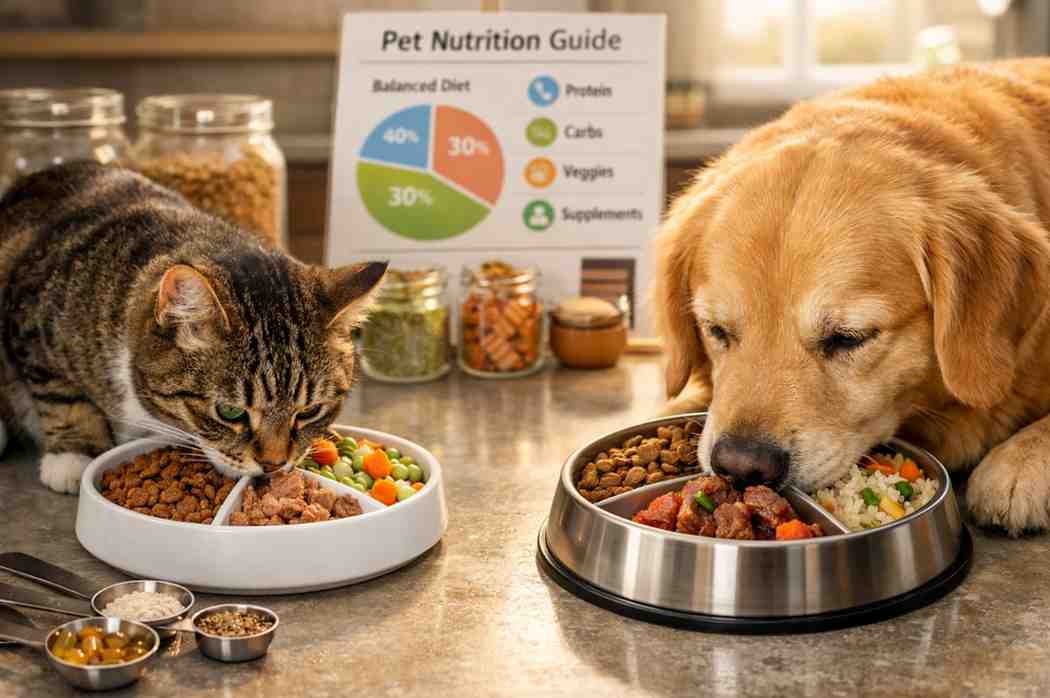
Feeding our pets isn’t just about filling a bowl—it’s about providing the nutrients, energy, and balance they need to thrive. As our understanding of animal nutrition evolves, so too does the way we approach pet diets. Rethinking what we feed our furry friends can improve their health, longevity, and overall well-being, transforming mealtime from routine to intentional care.
Why Smarter Feeding Matters
Pets rely on us for their nutrition, and an improper diet can lead to obesity, digestive issues, or long-term health problems. Scientific research now emphasizes that feeding should consider:
- Species-Specific Needs: Dogs, cats, and exotic pets all have different digestive systems and nutritional requirements.
- Life Stage: Puppies, kittens, adult pets, and seniors have varying energy and nutrient needs.
- Health Conditions: Allergies, kidney disease, or joint issues may require tailored diets.
Understanding Nutritional Science
Smarter feeding relies on science-backed knowledge:
- Balanced Macronutrients: Proteins, fats, and carbohydrates must be proportioned according to your pet’s species, age, and activity level.
- Micronutrients Matter: Vitamins and minerals support immunity, bone health, and organ function.
- Hydration and Digestibility: Wet and dry foods, combined with fresh water, impact digestion and hydration.
Trends in Pet Nutrition
Modern pet diets have evolved beyond basic kibble:
- High-Protein and Grain-Free Options: Designed for pets with allergies or active lifestyles.
- Raw and Fresh Food Diets: Emphasize minimally processed ingredients for optimal nutrition.
- Specialty Health Formulas: Target weight management, dental health, or sensitive stomachs.
- Personalized Feeding Plans: Some services now offer customized meals based on your pet’s DNA, lifestyle, and health profile.
Tips for Smarter Feeding
- Consult a Veterinarian: Always tailor diets to your pet’s individual needs.
- Read Labels Carefully: Understand ingredients, nutrient content, and portion recommendations.
- Monitor Weight and Behavior: Adjust feeding based on activity levels, growth, and overall health.
- Avoid Human Foods That Are Toxic: Certain foods like chocolate, onions, or grapes can be dangerous for pets.
The Bigger Picture
Smarter feeding isn’t just about better nutrition—it’s about enhancing quality of life. Proper diets improve energy levels, coat health, digestion, and longevity. They also reduce veterinary issues over time, making pets happier and owners more confident in their care.
Final Thoughts
Rethinking pet diets encourages us to approach feeding with intention and knowledge. By combining science, observation, and care, we can provide our pets with meals that fuel their bodies, support their health, and enhance their happiness. Smarter feeding isn’t a trend—it’s a commitment to giving our companions the best life possible, one meal at a time.