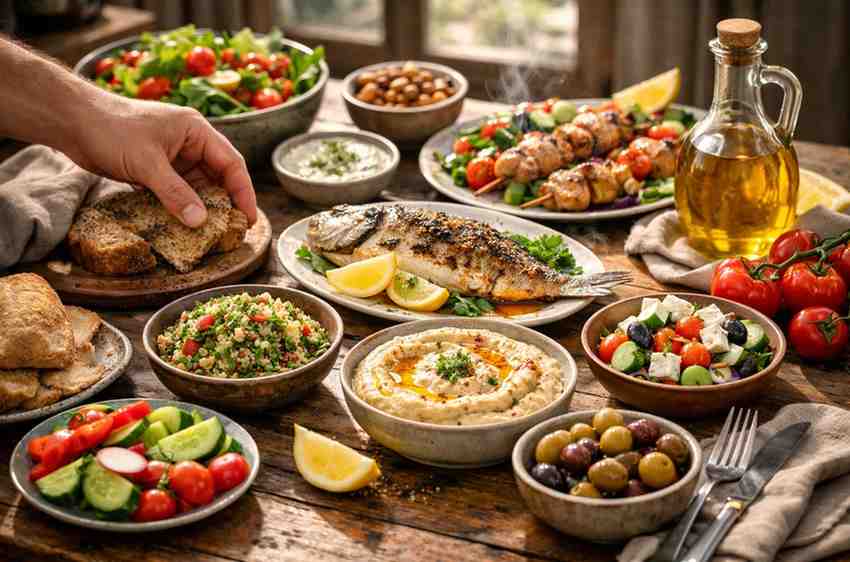
The Mediterranean diet isn’t just a meal plan—it’s a lifestyle celebrated for its ability to promote health, longevity, and delicious eating. Rooted in the culinary traditions of countries bordering the Mediterranean Sea, this diet emphasizes fresh, wholesome ingredients, balanced nutrition, and the joy of communal dining. Whether you’re seeking better heart health, sustainable eating habits, or simply vibrant flavors, the Mediterranean diet offers a roadmap to nourish your body and thrive.
What Makes the Mediterranean Diet Unique
Unlike restrictive diets, the Mediterranean approach focuses on whole foods and balance rather than calorie counting. Its core principles include:
- Abundance of Plant-Based Foods: Vegetables, fruits, legumes, nuts, and whole grains form the foundation of meals.
- Healthy Fats: Olive oil is the primary fat, providing heart-healthy monounsaturated fats.
- Lean Proteins: Fish, seafood, and poultry are preferred over red meat, which is consumed sparingly.
- Herbs and Spices: Fresh herbs like basil, oregano, and rosemary enhance flavor without excess salt.
- Moderation in Dairy: Yogurt and cheese are included in moderate amounts.
- Social and Mindful Eating: Meals are enjoyed slowly with family and friends, emphasizing quality over quantity.
Health Benefits
The Mediterranean diet is backed by decades of research, demonstrating numerous health benefits:
- Heart Health: Reduced risk of heart disease and lower cholesterol levels due to healthy fats and fiber.
- Weight Management: Balanced, nutrient-rich meals support sustainable weight maintenance.
- Brain Health: Antioxidant-rich foods and omega-3 fatty acids help support cognitive function.
- Reduced Risk of Chronic Diseases: The diet is linked to lower incidence of diabetes, certain cancers, and inflammation.
Delicious Foods to Include
Some staples of the Mediterranean diet include:
- Fresh Produce: Tomatoes, cucumbers, spinach, eggplant, and bell peppers.
- Legumes: Lentils, chickpeas, and beans provide plant-based protein.
- Seafood: Salmon, sardines, and tuna offer essential omega-3s.
- Whole Grains: Quinoa, barley, and whole wheat breads.
- Fruits and Nuts: Seasonal fruits and almonds, walnuts, or pistachios for snacking and salads.
- Olive Oil: Used generously for cooking and dressings.
Tips for Adopting the Mediterranean Lifestyle
- Cook at Home: Emphasize fresh, seasonal ingredients for more control over flavors and nutrition.
- Eat Mindfully: Take time to enjoy meals with family or friends.
- Focus on Variety: Rotate vegetables, proteins, and grains to keep meals interesting and nutrient-rich.
- Limit Processed Foods: Avoid heavily processed snacks, refined sugars, and excessive red meat.
Final Thoughts
The Mediterranean diet is a celebration of nourishment, flavor, and mindful living. It’s more than just a diet—it’s a holistic approach that prioritizes health, enjoyment, and connection. By embracing its principles, you can thrive physically, emotionally, and socially, all while indulging in vibrant, satisfying meals. Whether you’re preparing a fresh Greek salad, a hearty lentil stew, or a drizzle of olive oil over roasted vegetables, the Mediterranean lifestyle invites you to savor every bite while nourishing your body for the long term.