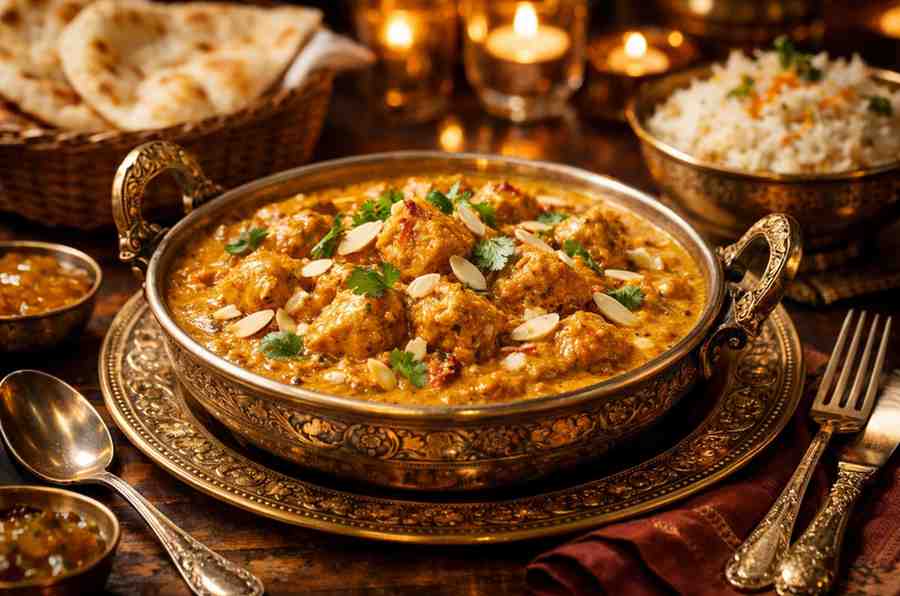
Few dishes carry the elegance, richness, and comforting warmth quite like korma. With its creamy texture, aromatic spices, and delicate balance of flavors, korma has earned a reputation as a royal curry that transcends time and geography. From the palaces of Mughal India to modern kitchens worldwide, this dish offers both indulgence and sophistication in every bite.
A Royal Culinary Legacy
Korma traces its origins to the royal kitchens of the Mughal Empire, where chefs crafted intricate dishes using fragrant spices, nuts, and slow-cooked meats. Traditionally, korma was prepared for kings and nobles, blending yogurt, cream, and ghee to create a luxurious sauce that enveloped tender pieces of meat or vegetables. Over centuries, the recipe evolved, but its association with opulence, comfort, and ceremonial dining remains strong.
Ingredients That Make Korma Special
The hallmark of a perfect korma lies in its ingredients and preparation:
- Aromatic Spices: Cardamom, cinnamon, cloves, and nutmeg create a fragrant base that’s rich without being overpowering.
- Creamy Elements: Yogurt, cream, or coconut milk lend the curry a velvety texture that defines its comforting nature.
- Proteins and Vegetables: From succulent chicken and lamb to hearty vegetables, korma adapts to different palates and dietary preferences.
- Nuts and Aromatics: Cashews, almonds, or ground seeds often enrich the sauce, adding subtle sweetness and depth.
Cooking Techniques
Korma is a dish that rewards patience:
- Slow Cooking: Ingredients are simmered gently to allow flavors to meld harmoniously, creating a rich, aromatic curry.
- Marination: Proteins are often marinated in yogurt and spices, enhancing tenderness and flavor.
- Balancing Flavors: The art of korma lies in balancing savory, sweet, and aromatic notes, resulting in a dish that is both comforting and sophisticated.
Serving Korma
Traditionally, korma is paired with fragrant basmati rice, naan, or parathas. Garnishes like fresh coriander, fried onions, or slivers of nuts elevate the presentation and flavor. The dish is ideal for festive occasions, special dinners, or any time you crave a meal that feels indulgent yet nurturing.
Korma Around the World
Today, korma has crossed borders and inspired variations in global cuisines. From mild versions in British Indian restaurants to coconut-based renditions in Southeast Asia, the essence of korma—creamy, aromatic, and luxurious—remains intact. Its versatility allows cooks to experiment while maintaining its signature elegance.
Final Thoughts
Korma is more than just a curry—it’s a celebration of flavor, history, and comfort. Every bite evokes centuries of culinary tradition, blending sophistication with the warmth of home-cooked indulgence. Whether enjoyed in a royal feast or a cozy dinner at home, korma remains a timeless testament to the art of comfort food done with elegance.