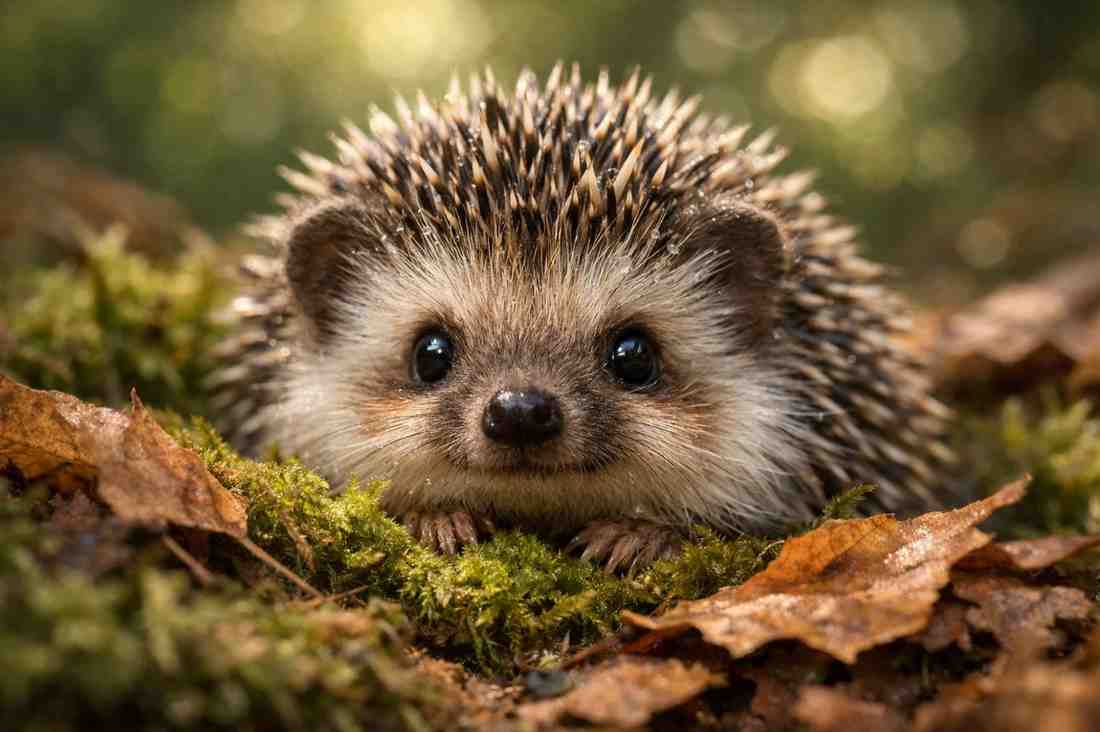
With their tiny snouts, round bodies, and quills that glisten like tiny armor, hedgehogs are undeniably enchanting. Though small in size, these creatures have captured the hearts of wildlife enthusiasts and pet lovers alike. Whether you encounter them in the wild or care for them as pets, hedgehogs offer a fascinating glimpse into nature’s creativity.
The Fascinating World of Hedgehogs
Hedgehogs belong to the Erinaceidae family and are native to parts of Europe, Asia, and Africa. Known for their nocturnal habits, these little mammals are most active during the evening, foraging for insects, worms, and small plants. Their keen sense of smell and hearing compensates for their relatively poor eyesight, making them expert hunters in the dark.
Despite their tiny size, hedgehogs are incredibly resilient. When threatened, they roll into a tight ball, exposing their sharp quills as a protective shield—a defense mechanism that has evolved over millions of years. This unique adaptation not only protects them from predators but also adds to their undeniable charm.
Hedgehogs as Pets
In recent years, hedgehogs have become increasingly popular as exotic pets. Known for their quirky personalities, they can be affectionate, playful, and surprisingly interactive when properly socialized. However, caring for a hedgehog requires attention to their specific needs:
- Housing: Hedgehogs need a spacious, secure enclosure with hiding spots and exercise options like wheels or tunnels.
- Diet: Their diet should be high in protein, often including insects, specialized hedgehog food, and occasional fruits and vegetables.
- Temperature: Hedgehogs are sensitive to temperature fluctuations. Maintaining a consistent, warm environment is crucial for their health.
- Socialization: While some hedgehogs enjoy gentle handling, others may be shy. Patience and routine help build trust and affection.
Quirks That Make Hedgehogs Endearing
Hedgehogs are full of personality. From their curious nose-sniffing behavior to their playful exploration of new spaces, these animals are endlessly entertaining. Some may even “purr” when content, a sound that delights owners and showcases their unique charm. Observing their habits can provide insights into the natural world, making them both fascinating companions and miniature wildlife ambassadors.
Hedgehogs in the Wild
Hedgehogs play an important role in ecosystems. As insectivores, they help control pest populations, maintaining balance in gardens and forests. In some regions, conservation efforts aim to protect hedgehog habitats, as urbanization and traffic have threatened wild populations. Watching a wild hedgehog in its natural environment is a reminder of the resilience and adaptability of these tiny creatures.
Final Thoughts
Hedgehogs may be small and prickly, but they are undeniably charming. Their unique appearance, fascinating behavior, and gentle yet independent nature make them memorable companions and intriguing members of the animal kingdom. Whether in the wild or as a carefully cared-for pet, hedgehogs offer a special kind of magic—an endearing reminder that even the tiniest creatures can have a big impact on our hearts.