The Secret to Better Dog Walks: Let Them Sniff
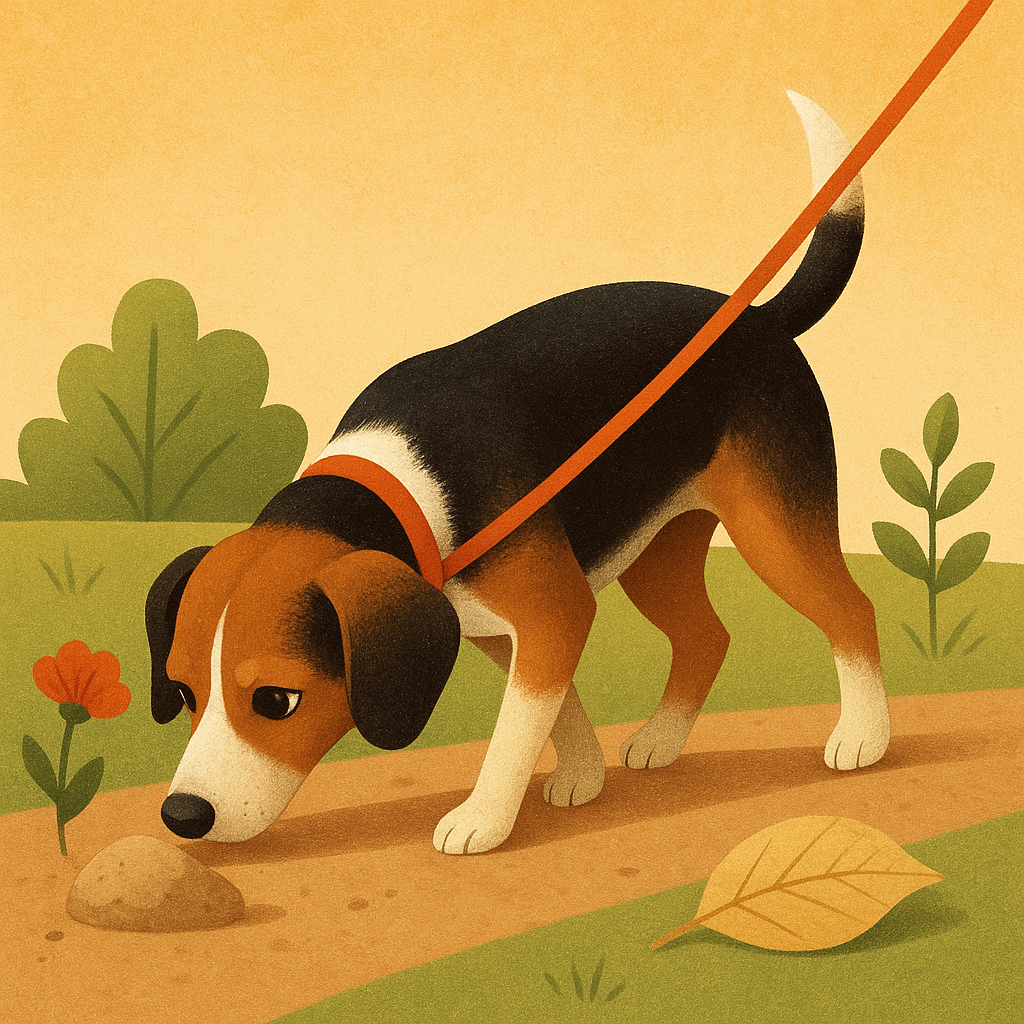
Most people think a “good” dog walk is measured in distance. For dogs, it’s measured in information. Sniffing is how they read the neighborhood—who passed by, how long ago, and what changed. A walk that allows sniffing is mental exercise, and it often tires a dog out more than speed-walking around the block.
A simple upgrade is to plan two modes: a short “get there” segment and a longer “sniff segment.” During the sniff segment, slow down and let your dog investigate. You’re not being lazy—you’re giving their brain work to do.
Use the right gear. A harness and a longer leash (when it’s safe) reduce tension and give your dog a little freedom without turning the walk into chaos. If your dog pulls, reward the behavior you want: when they check in with you, loosen the leash, or walk calmly past a distraction.
Sniffing doesn’t mean zero rules. Keep boundaries near roads, trash, or other dogs. Think of it like supervised browsing: your dog can explore, but you choose what’s allowed. If they fixate on one spot, redirect gently and move on.
For high-energy dogs, add tiny “jobs” every few minutes: a sit at a corner, a quick hand target, a ‘find it’ treat scatter in grass. These micro-tasks build focus and make the walk feel structured.
End the walk calmly. The last minute matters—if you rush home in a frenzy, your dog remembers the walk as high arousal. Slow down, let them sniff once more, and finish with a quiet drink of water. You’ll get a dog that comes home satisfied, not wired.
- Use a longer leash when safe.
- Reward check-ins, not speed.
- End on a calm note.